
Hot weather can put a lot of pressure on a home, especially when the air conditioner needs to run for long periods to keep indoor spaces comfortable. Heat can enter through windows, roofs, doors, and poorly insulated areas, while air leaks can allow cooled air to escape. As a result, an AC system may need to work harder and run longer than expected.Improving home efficiency before and during the hottest part of the year can help reduce some of that strain. For homeowners considering seasonal AC maintenance for Texas heat, it’s also worth looking beyond the air conditioner itself. Insulation, windows, airflow, thermostat settings, and everyday habits can all affect how much cooling a home needs.
Prepare Your AC for Extreme Heat
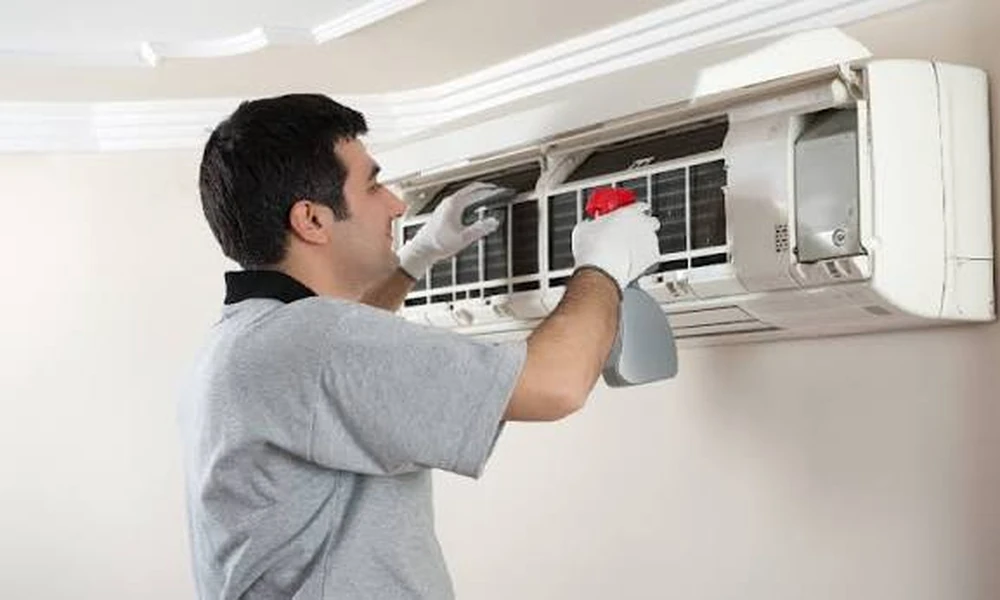
The air conditioner is usually one of the hardest-working systems in a home during hot weather. If it’s dirty, restricted, or not operating properly, it may take longer to reach the desired indoor temperature.Regular maintenance can help identify issues such as restricted airflow, dirty coils, unusual refrigerant conditions, or worn components. A system that’s operating properly can generally do its job more effectively than one that has been neglected.It’s also useful to pay attention to changes in performance. If the AC suddenly runs much longer than usual, struggles to cool certain rooms, or produces unusual sounds, these changes may be worth having checked.
Keep Air Filters From Restricting Airflow
The air filter has a simple but important role in the cooling system. It catches airborne particles before air moves through the equipment, but a heavily loaded filter can restrict airflow.For example, if a filter becomes clogged during a particularly hot period, the system may have to work harder to move air through the home. Rooms may take longer to cool, and the AC may run for extended periods.Check the filter regularly and follow the manufacturer’s recommendations for replacement. Homes with pets, dust, or higher indoor traffic may need more frequent attention.
Reduce Heat Coming Through Windows
Windows can allow a significant amount of outdoor heat into a home, particularly when direct sunlight hits the glass for several hours. This can make certain rooms noticeably warmer than others.Closing blinds, curtains, or shades during the hottest parts of the day can reduce some of this heat gain. Exterior shading, such as trees or properly positioned shade structures, can also help limit direct sunlight before it reaches the windows.For example, a bedroom that becomes uncomfortably warm every afternoon may benefit from better window coverings even when the AC itself is working normally.
Improve Insulation in Key Areas
Insulation helps slow the movement of heat between the outdoors and indoors. During extreme heat, inadequate insulation can allow hot outdoor temperatures to affect the home’s interior more quickly.Attics are particularly worth considering because they can become extremely hot during summer. If an attic isn’t properly insulated, heat can transfer into the living spaces below and increase the cooling demand.Improving insulation doesn’t necessarily mean changing the entire home at once. Identifying areas with obvious deficiencies can help homeowners focus their efforts where they may have the greatest effect.
Seal Gaps Around Doors and Windows
Small gaps around exterior doors and windows can allow warm outdoor air to enter while cooled indoor air escapes. Individually, these gaps may seem insignificant, but several openings around a home can add to the overall cooling load.Weatherstripping and suitable caulking can help address some common air leaks. Homeowners can pay particular attention to older doors and windows where seals may have deteriorated over time.If a room always feels warmer near a particular window or door, checking for drafts and gaps can be a sensible starting point.
Simple Ways to Reduce Indoor Heat
Small changes in how a home is used can reduce unnecessary heat during very warm weather.Use blinds or curtains: Block direct sunlight during peak afternoon heat.Run heat-producing appliances wisely: Use ovens and dryers during cooler parts of the day.Use kitchen exhaust fans: Remove heat and humidity produced while cooking.Check ceiling fans: Use them to improve comfort while the AC is running.Keep doors and windows closed: Prevent warm outdoor air from entering cooled rooms.These habits won’t replace proper AC maintenance, but they can reduce some of the cooling demand placed on the system.
Pay Attention to Airflow
Even when the AC is producing cold air, poor airflow can prevent that cooling from reaching the rooms where it’s needed. Furniture, curtains, and other objects can block supply vents and return grilles.Ductwork can also affect airflow. Leaks or damaged sections may allow cooled air to escape before it reaches a room. If one bedroom consistently feels warmer than the rest of the home, especially when the vent has weak airflow, the duct system may deserve closer attention.Good airflow allows the cooling system to distribute conditioned air more effectively throughout the house.
Use the Thermostat Wisely
The thermostat controls when the air conditioner runs, so its settings can have a direct effect on energy use. Setting the temperature extremely low doesn’t make the system cool the home instantly. It may simply cause the AC to run for longer.A consistent and reasonable setting can help avoid unnecessary cooling demand. A programmable or smart thermostat can also adjust the temperature based on when people are home, asleep, or away.For example, there’s little reason to cool an empty house to the same temperature used during the busiest part of the day.
Check the Outdoor AC Unit
The outdoor condenser needs sufficient airflow to release heat. Grass clippings, leaves, branches, and other debris can build up around the unit and restrict that airflow.Keep the immediate area reasonably clear and watch for visible damage or unusual changes in operation. Homeowners should avoid opening electrical panels or attempting refrigerant-related work themselves, as these tasks require appropriate training and equipment.If the outdoor unit starts making unfamiliar sounds or the system struggles to cool the home, professional service may be appropriate.
Don’t Ignore Humidity
Hot weather can also bring higher humidity, which affects how comfortable a home feels. An air conditioner naturally removes some moisture while cooling, but problems with system operation can affect that process.If the home feels damp even when the thermostat reaches its setting, there may be an issue worth investigating. Excess humidity can also contribute to musty smells and moisture-related concerns.Keeping the cooling system properly maintained and addressing sources of unwanted moisture can help improve overall indoor comfort.
Consider Your Roof and Attic
The roof receives direct sunlight for much of the day and can become a major source of heat entering the home. The condition of the roof, attic insulation, ventilation, and air sealing can therefore affect summer cooling needs.A home with good insulation and appropriate attic conditions may be better able to resist heat transfer than one with gaps or inadequate insulation. If upstairs rooms consistently become much warmer than downstairs areas, the attic may be one area worth examining.
Maintain the AC Before Peak Heat
Waiting until the hottest week of the year to discover an AC problem can create an uncomfortable situation. Seasonal maintenance gives homeowners an opportunity to have the system checked before it faces its heaviest workload.A maintenance visit can also provide a chance to identify worn or dirty components and discuss changes in system performance. Taking care of smaller concerns earlier may help avoid more disruptive problems during periods of extreme heat.
Look at the Home as a Whole
Energy efficiency during hot weather isn’t usually the result of one improvement. An efficient air conditioner can still struggle if cooled air is escaping through leaky ducts or warm air is entering through poorly sealed windows.Likewise, good insulation won’t solve a cooling problem caused by a poorly maintained AC system. Looking at the home as a complete system can help homeowners decide which improvements are most useful.
Prioritize Improvements Based on Your Home
Every home has different cooling challenges. One property may need better attic insulation, while another may have older windows or ductwork problems. A room with afternoon sun may need better shading, while an upstairs area may need attention to insulation and airflow.Rather than making changes at random, start with the areas where discomfort or excessive cooling demand is most noticeable. This approach can help homeowners focus their time and money on improvements that address actual problems.
Final Thoughts
Hot weather efficiency starts with keeping the air conditioning system in good condition, but the rest of the home matters too. Clean filters, clear airflow, proper insulation, sealed gaps, suitable window coverings, and sensible thermostat use can all help reduce unnecessary cooling demand.Preparing before extreme heat arrives can make a difference in both comfort and system performance. By maintaining the AC and addressing areas where heat enters or cooled air escapes, Texas homeowners can create a home that stays more comfortable without placing unnecessary strain on the cooling system.