
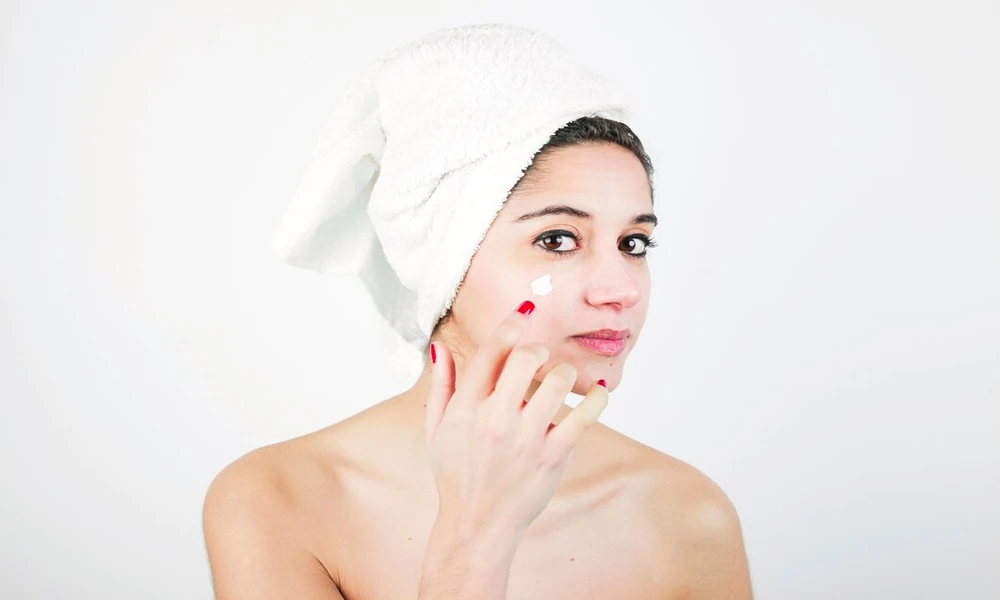
The body undergoes a variety of changes in the skin as it becomes older: the amount of collagen decreases as it gets older, and the collagen-destroying activity may grow. One of the major families of enzymes that participate in this process is the matrix metalloproteinases, popularly known as the MMPs. These enzymes normally assist in the remodelling of the extracellular matrix, although the overactivity of MMPs can promote the destruction of collagen and other structural proteins. MMP activity may be enhanced by sun exposure, oxidative stress, inflammation, and environmental pollutants, and may contribute to wrinkles, decreased firmness, and altered skin texture. This biological process may be understood to explain why collagen protection is a valuable aspect of skin health in the long term.
Influence of Lifestyle and UV Exposure
One of the strongest environmental determinants of collagen degradation is ultraviolet (UV) radiation. Exposure to UV radiation may also activate signal transduction that heightens some MMPs, especially MMP-1, which degrades collagen fibers. Repetition of the exposure can thus result in some cumulative structural damage in the form of photoaging. You can also find information about peptide-based strategies through articles like the top white glow peptide stack guide, although you will have to be careful to differentiate between cosmetic marketing and evidence-based practices as well as to apply your knowledge of the safety and regulatory conditions on any peptide-based product prior to application.
Peptides and Skin Health
These are short strands of amino acids, peptides, which have the potential to be used biologically and are commonly utilized as part of skincare products. Some topical peptides are structured to aid in collagen synthesis-related pathways or enhance the look of anti-aging skin. The benefits they suggest differ significantly based on the peptide and concentration, formulations, and the capability to enter the skin. Notably, peptides cannot be considered an uncomplicated method to prevent MMP activity or reverse the developed collagen loss.
A Moderate Care about Soothing Skin
The best way to handle the issue of collagen loss is as a subset of a broader skin health strategy and not as a product or supplement. The use of a daily broad-spectrum sunscreen does not need to be a concern, as, by minimizing the effects of UV damage, the processes involved in collagen breakdown can be restricted. Healthy aging can also be promoted through a well-balanced diet consisting of adequate protein as well as micronutrients, careful skin care, and avoiding smoking. A high-end white glow peptide stack guide can be used as general knowledge, but individual care and advice from a dermatologist and a qualified health care professional would be more suitable in the context of applying treatments that are aimed at modulating biological pathways.