
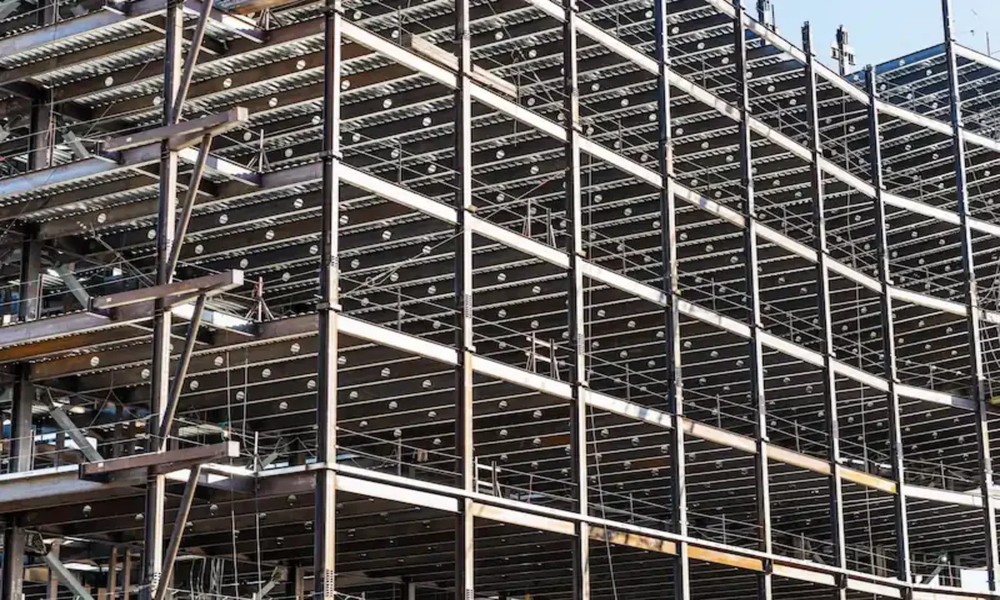
Nothing strains a construction budget, or endangers lives, like a shortcut taken in the name of saving money. Multi-story building supports are the invisible backbone of any vertical project, but if safety and cost efficiency are not balanced, disaster is never far away.
Debunking the Myth: Cost Cutting Means Compromised Safety
Shaving expenses does not have to mean accepting more risk. The most costly mistakes in multi-story construction often stem from the misconception that economic efficiency must compromise structural safety.
Why Safety Cannot Be Sacrificed in Multi-Story Supports
The forces at play in tall structures are enormous. Even minor errors in support design can escalate, leading to catastrophic failures, injuries, and multi-million-dollar lawsuits. Safety is not a box to be checked; it is a fundamental requirement for every decision, from the first calculation to the final on-site check.
Real-World Consequences of Neglecting Structural Integrity
History is filled with cautionary tales: partial collapses that halted projects for months, legal battles over injuries, and even total loss of buildings due to underestimated loads or poor bracing. Each event drives home the point that any upfront “savings” can quickly be dwarfed by the long-term costs of a failure.
Misconception: Temporary Supports Are Just Short-Term and Inexpensive
Temporary supports are often treated as afterthoughts. This mindset overlooks complex realities and creates expensive problems down the line.
The Hidden Costs of Poor Temporary Support Design
A poorly designed temporary structure can trigger project delays, work stoppages, or worse, accidents that permanently stain a company’s reputation. Rescues and retrofits cost far more than proper design and oversight ever would. Even a small misjudgment in temporary support can mean complete demolition and rebuilding of finished work.
How Expert Engineering Adds Value and Reduces Overall Expenses
Investing in experienced professionals ensures creative, site-specific solutions. When structural professionals like NadeauSDM ingénieur are involved early, they integrate safety measures that meet practical onsite needs and keep costs under control. Their approach is not just about compliance, but about optimizing both safety and profitability.
Myth: All Materials Perform Equally Under Load
It is tempting to treat steel beams, timber posts, and aluminum shores as interchangeable, but this is a critical mistake.
The Importance of Material Selection in Multi-Story Structures
Each material has unique strengths, weaknesses, and price points. Choosing the wrong one can lead to premature fatigue, deflection, or outright collapse. In multi-story projects, where loads accumulate, even a small miscalculation can multiply dramatically.
Case Studies Highlighting Material Failures and Successes
Consider two projects: one used generic steel of unknown provenance, the other used certified, appropriately graded materials chosen by experts. The first suffered from unexpected bending and work delays, while the second finished ahead of schedule with no safety incidents. Small differences in material quality can translate into huge differences in outcome.
Belief: Simplified Designs Are Safer and Cheaper
The allure of simple, “cookie-cutter” supports is strong, but misguided.
Why Creativity and Complexity in Engineering Enhance Both Safety and Cost Efficiency
Complex sites often require creative solutions, a blend of standard practices and innovative thinking. A one-size-fits-all approach ignores unique load paths, environmental factors, and workflow needs. True cost savings come from designs that eliminate waste, reduce unnecessary material use, and adapt to actual conditions without compromising safety.
Examples of Innovative Solutions That Balanced Both Factors
Some of the safest and most cost-effective projects feature tailored supports: modular shoring for rapid assembly, reuse of custom components, or hybrid systems that adapt to changing loads as construction progresses. These approaches reduce material costs and installation times while raising safety standards.
The Misunderstanding That Compliance Equals Safety
Meeting code is essential, but it is not always sufficient.
Going Beyond Codes: The Role of Experience and Ingenuity
Codes provide a minimal threshold, not a guarantee of real-world safety. In practice, gray areas and project-specific quirks demand expert interpretation and creative problem-solving. Veteran engineers know which areas require extra attention and which innovations can provide superior results.
NadeauSDM’s Approach to Exceeding Standard Requirements
Firms that go beyond minimum standards, like NadeauSDM, embed their experience and ingenuity in every phase. Their methodology emphasizes upfront project understanding, client collaboration, and ongoing oversight, ensuring the end result is not only compliant but truly robust.
Thinking Logistics Are Secondary to Design
Even the best design can be undermined by poor logistics.
How Equipment Supply and Coordination Impact Project Budgets
Delayed equipment, missing components, or supply mismatches can cost thousands per day and create ripple effects across a tightly scheduled site. Coordinating supply with evolving site needs is not just about efficiency, it is about preventing costly downtime and last-minute changes.
The Role of Integrated Solutions in Minimizing Delays and Overruns
Integrated engineering and supply solutions simplify communication, make procurement predictable, and keep projects moving smoothly. Coordination between teams ensures that every piece arrives when and where it is needed, shrinking the gap between design and construction reality.
The False Assumption That Ongoing Support Is an Unnecessary Expense
Once supports are installed, oversight should not stop.
The Critical Need for Continuous Monitoring and On-Site Expertise
Ongoing evaluation catches developing issues before they escalate. Shifting loads, weather impacts, or unforeseen site changes all require rapid response and technical know-how. Regular follow-up by engineers preserves both safety and timelines.
How Proactive Follow-Up Secures Both Safety and Financial Outcomes
Proactive monitoring and expert support throughout a project prevent costly surprises and ensure stability is maintained until permanent structures take over. In the end, the smartest investment is not the cheapest material or the fastest solution, but the steady presence of experience and vigilance, balancing safety and cost efficiency from first drawing to final inspection.