
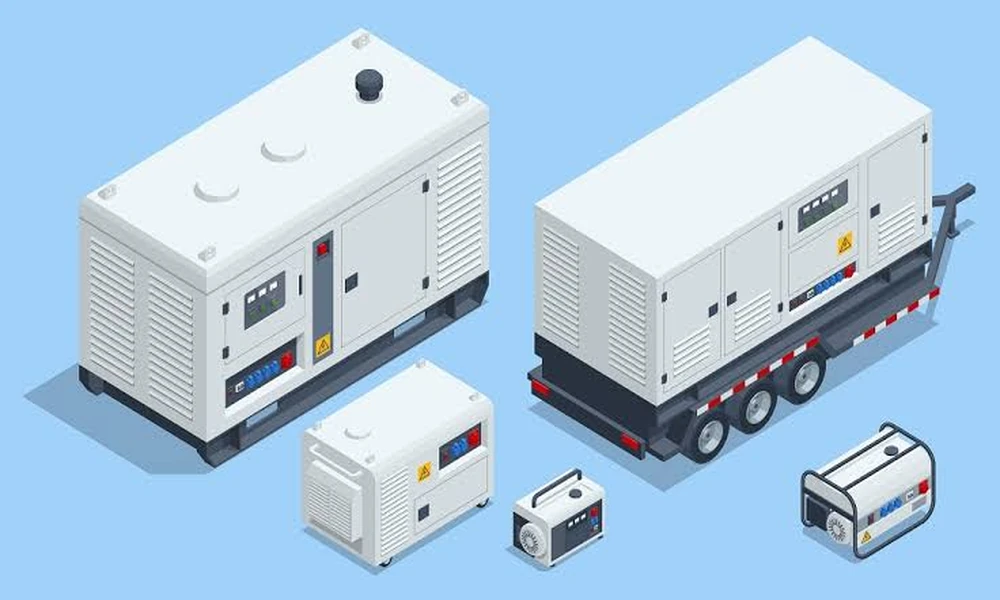
Power outages can disrupt household routines, affect food storage, interrupt heating and cooling, and leave essential appliances unusable. Investing in a backup generator can help maintain comfort and safety when the electricity supply becomes unreliable. However, choosing the right generator requires careful consideration.
Homeowners searching for a backup generator installer Sacramento residents can rely on should first understand the differences between standby and portable generators. Both provide temporary electricity during outages, but they differ in power capacity, installation requirements, operating costs, and convenience.
What Is a Standby Generator?
A standby generator is a permanently installed backup power system connected directly to your home’s electrical system. It typically runs on natural gas or propane and automatically activates when the main electricity supply fails.
An automatic transfer switch detects the interruption and transfers power to the generator. Once utility power returns, the system reconnects your home to the electrical grid and shuts down the generator.
Depending on its capacity, a standby generator can support essential appliances or an entire household. It is particularly useful for homeowners who experience frequent or extended power outages.
What Is a Portable Generator?
A portable generator is a movable power source that provides temporary electricity. Many models operate on gasoline or propane and require manual starting, positioning, and refueling.
Portable generators can power refrigerators, lights, fans, and other appliances, depending on their output capacity. They can also be connected to selected household circuits through professionally installed transfer equipment.
These generators generally have lower upfront costs than standby systems. However, they require more manual effort and may not provide sufficient electricity to operate several large appliances simultaneously.
Power Capacity and Household Requirements
Standby generators generally offer greater power capacity than portable models. A correctly sized standby system may support central air conditioning, kitchen appliances, lighting, security systems, and other household equipment.
Portable generators are often better suited to essential electrical needs. Their effectiveness depends on the combined electricity demand of connected appliances.
Before purchasing either type, calculate how much electricity your household requires. Remember that certain appliances need additional power when starting. Choosing an undersized generator can cause overloading, unexpected shutdowns, and equipment problems.
Installation and Setup Requirements
Standby generators require professional installation. The process involves selecting a suitable outdoor location, establishing fuel connections, installing transfer equipment, and connecting the generator to the electrical system. Local permits may also be necessary.
Consulting a backup generator installer Sacramento homeowners trust can help determine the appropriate generator capacity, installation location, and fuel requirements. A professional assessment can also identify whether existing electrical or gas infrastructure needs modification.
Portable generators require less permanent infrastructure. However, connecting one to household wiring requires approved transfer equipment installed by a qualified electrician. Never connect a generator directly to a standard household outlet, as this can create serious electrical hazards.
Fuel Availability and Operating Costs
Fuel availability plays an important role when comparing backup power systems. Natural gas standby generators can operate without manual refueling while the gas supply remains available. Propane-powered systems depend on the amount of fuel stored on the property.
Portable generators usually require regular refueling during extended outages. Obtaining additional fuel may become difficult when widespread electricity disruptions affect local businesses.
Operating expenses vary according to generator capacity, fuel prices, electricity demand, and running time. Homeowners should consider installation, maintenance, fuel consumption, and potential repair expenses rather than focusing exclusively on the initial purchase price.
Convenience During Power Outages
One of the primary advantages of a standby generator is automatic operation. Homeowners do not need to move equipment outdoors, manually start the engine, or connect individual appliances whenever an outage occurs.
Portable generators require more preparation and supervision. They must be positioned safely, supplied with fuel, and operated according to the manufacturer’s instructions.
For households with elderly residents, limited mobility, or demanding daily schedules, automatic backup power may be more practical. Portable systems remain a reasonable choice for households that experience occasional, short-term interruptions.
Generator Safety and Maintenance
Both generator types require regular maintenance and responsible operation. Neglecting servicing can reduce reliability and increase the likelihood of equipment failure during emergencies.
Follow these essential generator safety and maintenance practices:
- Operate portable generators outdoors, at least 20 feet from the house, with exhaust directed away from buildings.
- Install and regularly test carbon monoxide alarms.
- Allow portable generators to cool before refueling.
- Use appropriately rated electrical cords and approved transfer equipment.
- Check engine oil, filters, batteries, and fuel supplies according to manufacturer recommendations.
- Follow recommended servicing and testing schedules.
- Avoid exceeding the generator’s rated electrical capacity.
Never operate a portable generator inside a garage, basement, or enclosed space. Standby generators must also meet applicable installation clearances and ventilation requirements.
U.S. Consumer Product Safety Commission+2
Which Generator Offers Better Long-Term Value?
A portable generator may offer better financial value for homeowners who experience infrequent power outages and only need to operate essential appliances. Its lower purchase cost makes backup electricity more accessible without extensive permanent installation.
A standby generator requires a larger initial investment but offers greater convenience and potentially broader electrical coverage. It may be a worthwhile consideration for properties affected by repeated outages or households that depend heavily on electrical equipment.
Long-term value ultimately depends on how often the generator is needed, which appliances require backup power, and how much homeowners are prepared to spend on maintenance and operation.
Choosing the Right Generator for Your Home
Start by reviewing the frequency and duration of power outages in your area. Consider your property’s available outdoor space, fuel accessibility, electrical demand, and household priorities.
Homeowners should also distinguish between essential backup power and whole-home coverage. Powering a limited number of appliances may require a smaller investment than maintaining normal household operations throughout an outage.
Avoid purchasing a generator based solely on its advertised power output. Installation compatibility, safe operating conditions, fuel requirements, and ongoing maintenance are equally important considerations.
Conclusion
Standby and portable generators serve different household needs. Standby systems offer automatic operation and greater potential power coverage, while portable generators provide an affordable and flexible solution for occasional electricity interruptions. The right choice depends on your budget, electrical requirements, and outage frequency.
Working with a qualified backup generator installer Sacramento residents can consult may help identify a suitable backup power system. Assess your household’s electricity demand, compare long-term expenses, and prioritize safe installation before making a final decision. A properly selected and maintained generator can improve household preparedness during unexpected outages.