
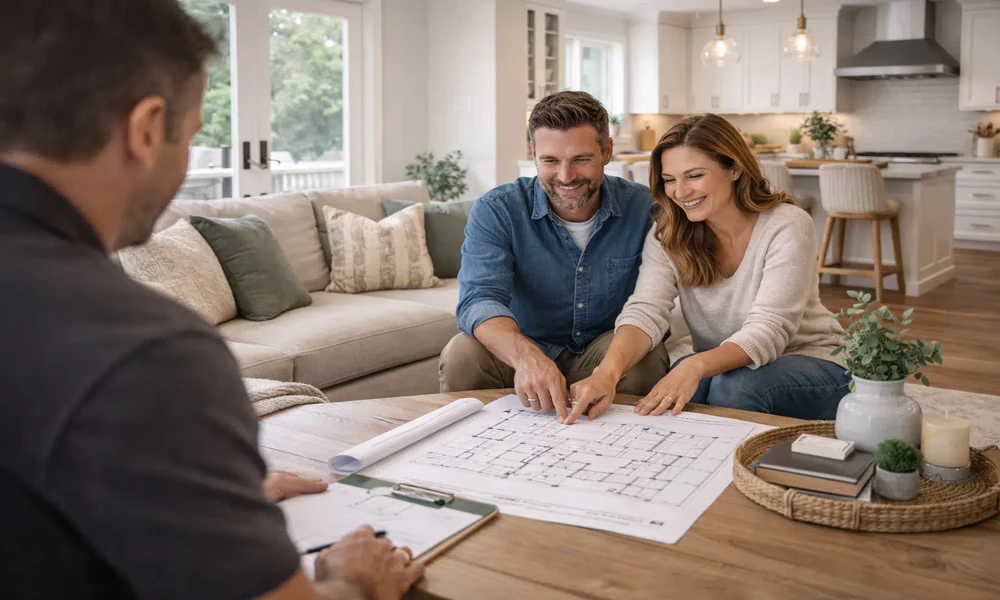
A home should support the way people actually live. Over time, however, rooms can become outdated, storage may feel limited, layouts may no longer work well, and worn finishes can make the property feel older than it is. Renovation gives homeowners the opportunity to improve both the appearance and function of their living space without necessarily moving to a new property.
A well-planned renovation can improve comfort, create better room flow, modernize important areas, and help make everyday routines easier. From kitchens and bathrooms to flooring, walls, lighting, and complete interior updates, the right project can transform how a home looks and performs. Homeowners considering a larger improvement project may look into BuildRex home renovation when planning upgrades that require careful construction, coordination, and finishing.
Why Do Homeowners Choose to Renovate?
There is no single reason to renovate a home. Some owners want to modernize an older property, while others need to adapt their space to changing family needs. A renovation may also be part of preparing a property for resale or simply making it more enjoyable to live in.
Common reasons for renovating include:
- Updating outdated rooms
- Improving storage
- Creating a more open layout
- Repairing damaged walls or ceilings
- Replacing old flooring
- Improving lighting
- Modernizing kitchens and bathrooms
- Making better use of unused areas
- Refreshing interior finishes
The best renovation projects usually begin by identifying the practical problem first. Once the goal is clear, design and material choices can support that purpose instead of being selected only for appearance.
Why Planning Is So Important
Renovation can involve many connected decisions. Flooring, cabinetry, plumbing, electrical work, drywall, painting, lighting, and finishing details may all affect one another.
Starting without a clear plan can lead to delays, unexpected expenses, or changes during construction. Good planning helps homeowners make important decisions before work begins.
Set Clear Priorities
Decide which improvements matter most. If the main problem is a lack of storage, the project should prioritize organization and layout rather than decorative changes alone.
Establish a Realistic Budget
A budget helps guide material choices and determine the overall scope of work. It can also be helpful to allow some flexibility for unexpected conditions discovered during renovation.
Understand the Existing Space
Walls, plumbing, electrical systems, flooring, and structural elements can affect what changes are practical.
Consider the Full Project
Renovating one area can sometimes affect another. Thinking about the whole home helps create a more consistent finished result.
Kitchen Renovation Can Transform Everyday Routines
The kitchen is one of the most frequently used spaces in many homes. A poor layout can make cooking, storage, and cleaning more difficult than necessary.
Renovation can improve how the kitchen functions by creating better work areas, adding storage, updating appliances, and improving lighting.
Possible kitchen improvements include:
- New cabinets
- Updated countertops
- Better storage solutions
- New flooring
- Improved lighting
- Updated backsplash materials
- New fixtures
- More practical appliance placement
A successful kitchen should balance design with function. Beautiful materials are valuable, but the space also needs to support daily cooking, cleaning, and movement.
Why Bathroom Renovation Is a Popular Upgrade
Bathrooms are another common renovation priority because they experience frequent use and constant exposure to moisture. Older bathrooms may have worn surfaces, outdated fixtures, limited storage, or layouts that feel cramped.
A renovation can help create a cleaner and more comfortable space.
Common bathroom upgrades include:
New Vanities and Storage
Improved storage can reduce clutter and make daily routines easier.
Updated Tile
New wall or floor tile can dramatically change the appearance of the room.
Modern Fixtures
Replacing older faucets, sinks, showers, and other fixtures can create a cleaner look.
Better Lighting
Proper lighting can make grooming easier and improve the overall atmosphere.
Improved Ventilation
Good ventilation helps manage moisture and supports the long-term condition of finishes.
Because bathrooms involve plumbing and water resistance, proper installation is especially important.
Can Renovation Improve the Layout of a Home?
Yes. Some homes have enough overall space but do not use it efficiently. Small enclosed rooms, narrow entrances, awkward walls, or poor furniture placement can make the property feel more crowded than necessary.
Interior renovation may improve flow by adjusting layouts, opening sightlines, repositioning doors, or redesigning how rooms connect.
However, changing walls requires careful evaluation. Some walls may contain wiring, plumbing, ventilation components, or structural supports. Professional planning helps determine which modifications are practical and how they should be completed safely.
Why Wall and Ceiling Repairs Matter
A renovation can make older surface damage more noticeable. New flooring, lighting, cabinets, or trim may look excellent, but cracks, dents, and uneven walls can prevent the room from feeling fully finished.
Before painting, damaged plaster or drywall should be repaired properly.
This may involve:
- Patching holes
- Repairing cracks
- Replacing damaged drywall sections
- Smoothing uneven surfaces
- Sanding old patches
- Preparing areas affected by previous renovations
Once walls and ceilings are smooth, paint can create a much cleaner and more consistent finish.
Flooring Can Change the Entire Interior
Flooring covers a large area of the home and strongly influences its overall appearance. Replacing worn or outdated flooring can make rooms feel significantly newer.
When selecting flooring, homeowners should consider more than color.
Important factors include:
- Durability
- Maintenance needs
- Moisture resistance
- Comfort
- Room usage
- Compatibility with existing finishes
High-traffic spaces may require more durable materials, while bedrooms may place greater emphasis on comfort. Kitchens and bathrooms may need flooring that handles moisture and regular cleaning well.
Coordinating flooring throughout connected areas can also make the home feel more spacious and visually consistent.
How Lighting Improves a Renovated Space
Lighting has a major impact on the way a room feels. Even a beautifully renovated space may appear dark or uncomfortable if the lighting is poorly planned.
A balanced lighting plan may include:
General Lighting
This provides overall brightness throughout the room.
Task Lighting
Task lighting supports activities such as cooking, reading, working, or grooming.
Accent Lighting
Accent lighting highlights artwork, cabinets, architectural details, or decorative features.
Planning lighting early is useful because wiring and fixture placement may need to be completed before walls and ceilings are finished.
Better Storage Can Improve Everyday Organization
Storage is one of the most common frustrations in residential spaces. Renovation creates an opportunity to build storage into areas that were previously underused.
Possible solutions include:
- Built-in shelving
- Custom closets
- Kitchen organizers
- Bathroom cabinetry
- Mudroom storage
- Entryway units
- Under-stair storage
Good storage design can make a home feel cleaner and larger without adding new square footage.
Why Professional Coordination Matters
Large renovation projects often involve multiple stages and different types of work. Demolition, electrical changes, plumbing, carpentry, drywall, plastering, flooring, painting, and finishing may all need to happen in a specific sequence.
Poor coordination can cause delays or result in completed work being damaged by later stages.
Working with a professional renovation team can simplify this process. A coordinated approach helps keep tasks organized and makes it easier to manage communication, scheduling, and quality across the project.
How Renovation May Support Property Value
A well-maintained and updated home may be more appealing to future buyers. Kitchens, bathrooms, flooring, paint, and overall condition can strongly influence first impressions.
However, renovation does not need to be completed only for resale. Improvements that make a home more comfortable today can provide value through daily enjoyment.
The most practical renovation projects often combine both benefits. They improve the current homeowner’s lifestyle while creating features that may remain attractive in the future.
Common Home Renovation Mistakes to Avoid
Renovation projects can become more complicated when key decisions are made too quickly.
Common mistakes include:
- Beginning without a clear budget
- Choosing materials based only on trends
- Ignoring moisture or structural concerns
- Making repeated changes during construction
- Underestimating wall preparation
- Focusing only on appearance
- Poorly coordinating different trades
- Forgetting about lighting and storage
Taking time to plan carefully can reduce many of these problems.
What Should You Look for in a Renovation Contractor?
Choosing the right contractor is one of the most important decisions in the renovation process.
Clear Communication
The scope of work, sequence, and expectations should be explained clearly.
Experience With Multiple Types of Work
Renovation often involves several trades, so broad construction experience can be valuable.
Attention to Preparation
Quality finishes depend on good preparation and proper repair work.
Organized Project Management
Scheduling and coordination help keep larger projects moving efficiently.
Focus on Long-Term Quality
The goal should be a result that looks good and performs well over time.
Final Thoughts
Home renovation is an opportunity to create a property that better supports everyday life. The strongest projects go beyond cosmetic improvements and consider layout, storage, durability, comfort, lighting, and long-term function.
Whether the goal is to renovate a kitchen, update a bathroom, repair walls, replace flooring, or transform several rooms, careful planning makes a major difference. Coordinating construction and finishing work can help create a more polished and consistent result.
With the right renovation strategy, homeowners can turn outdated or inefficient spaces into rooms that feel more comfortable, practical, and enjoyable for years to come.